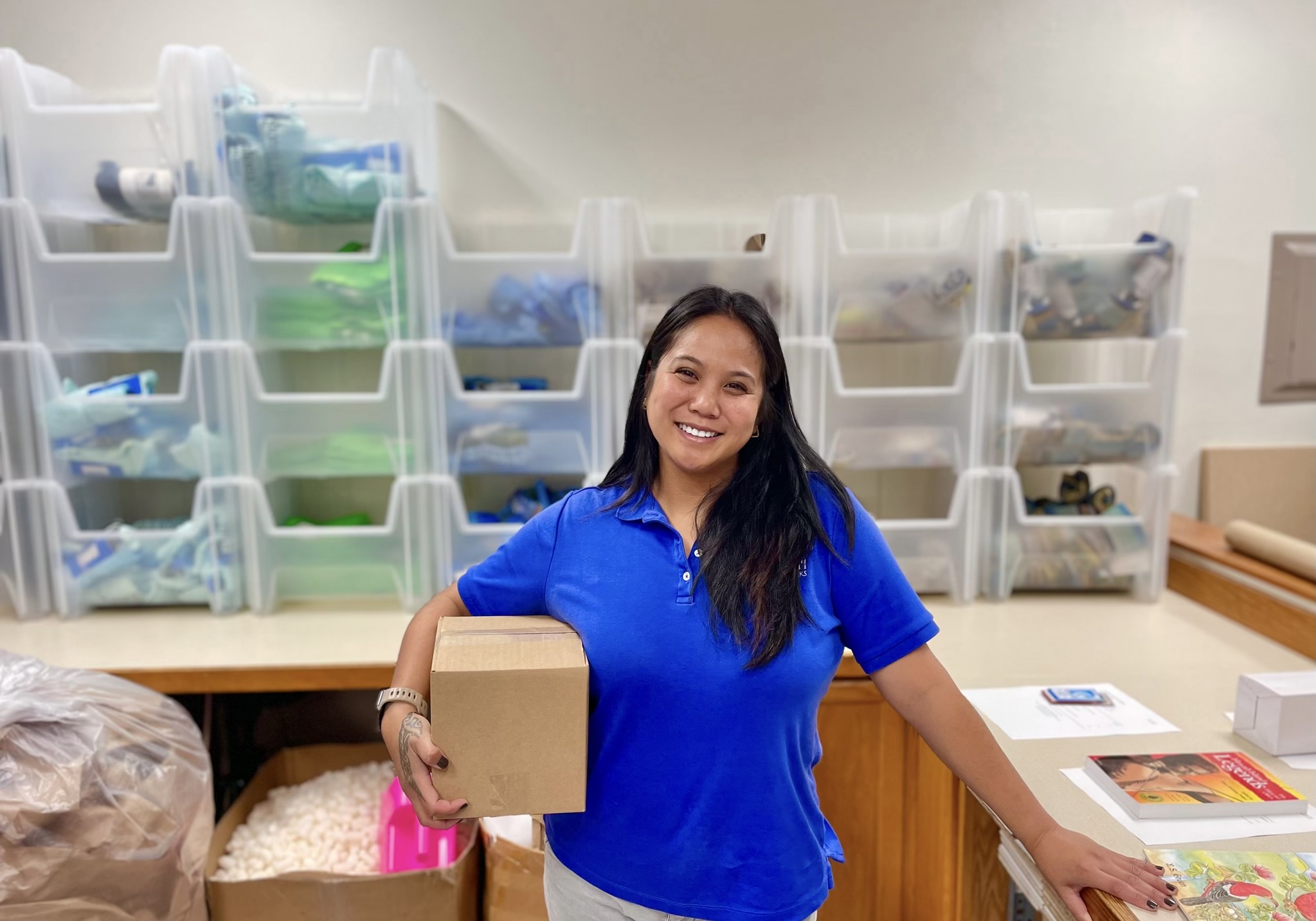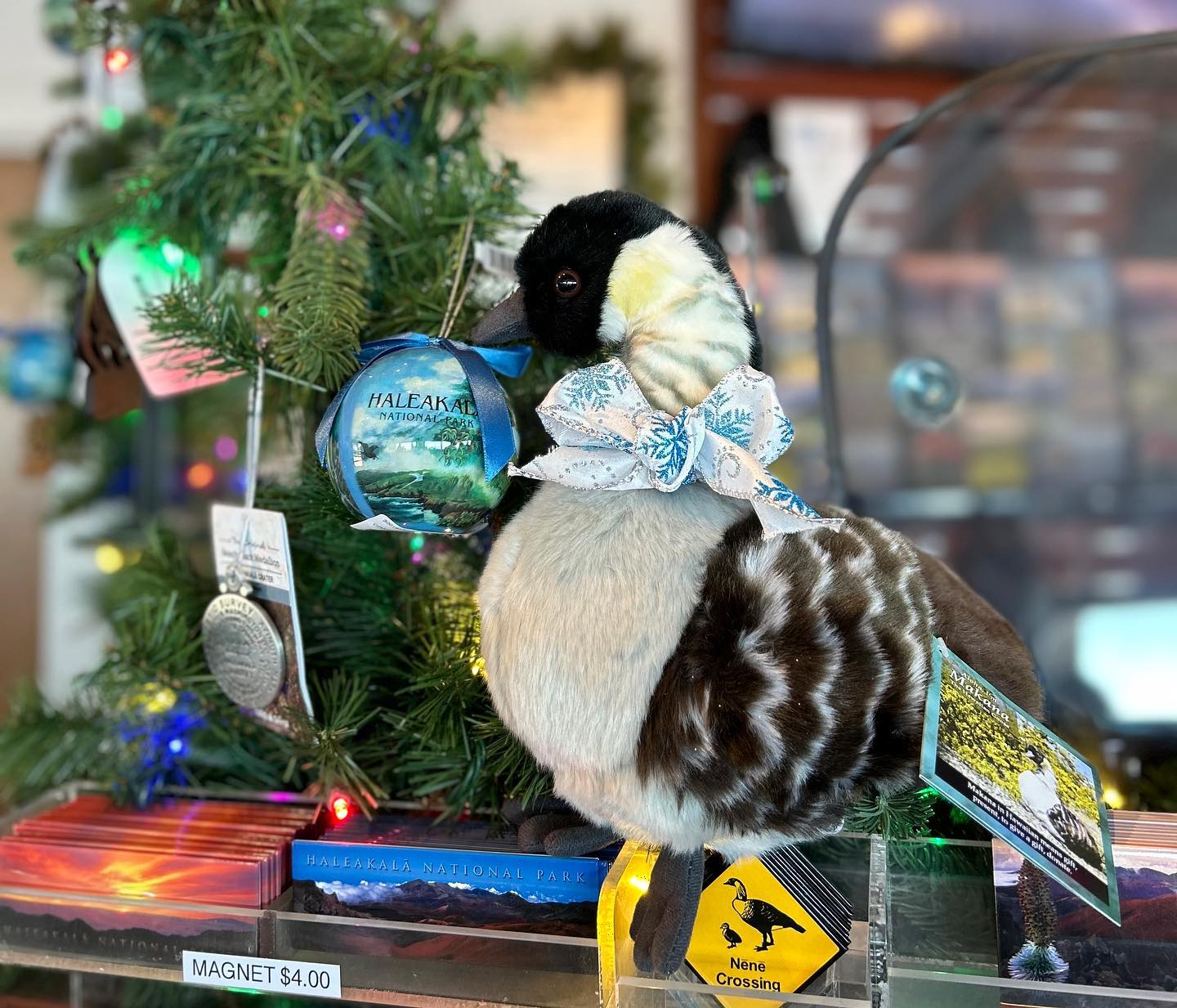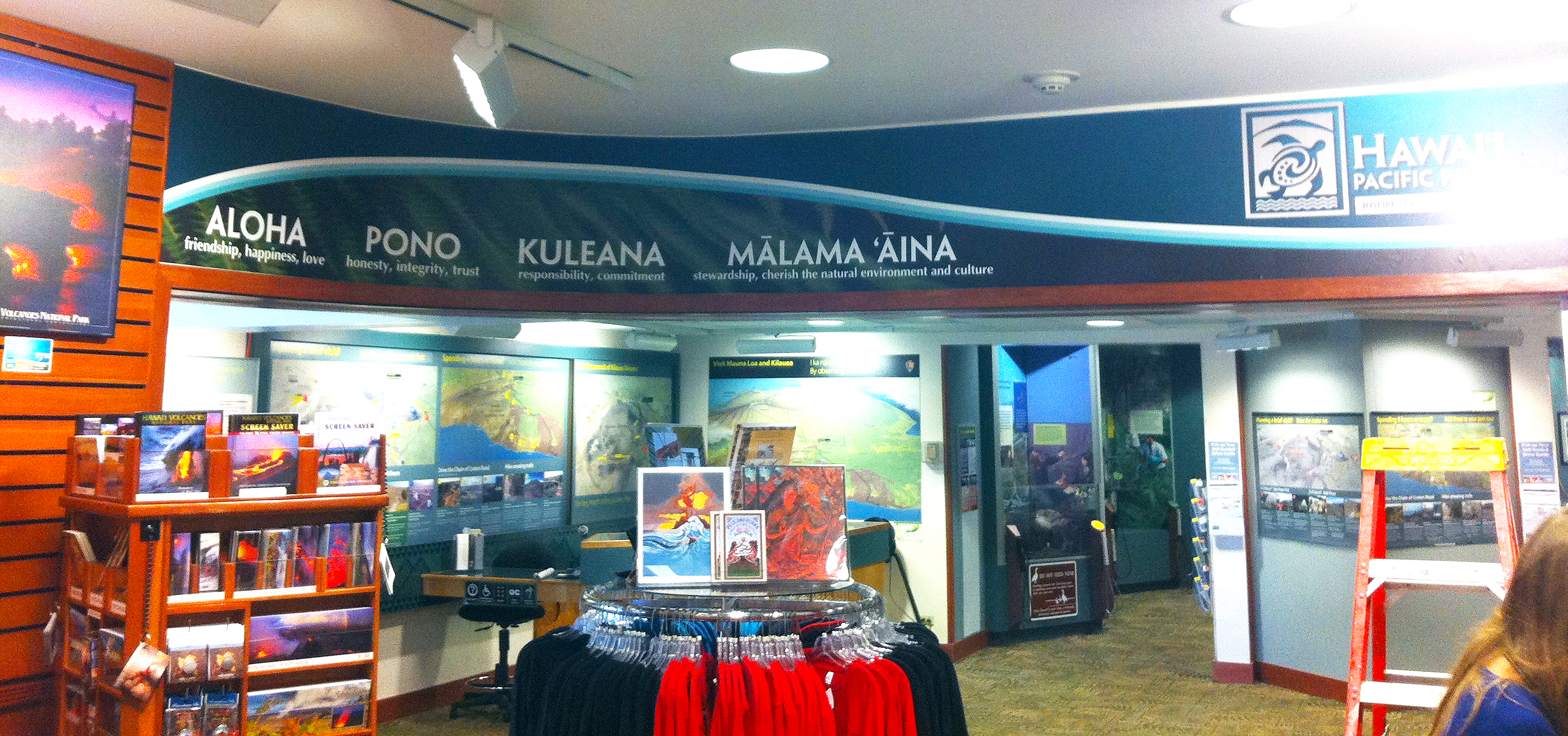
It’s easy to think they’ve always been here. You walk into a visitor center in a national park and there’s the store. Shelves of books you won’t find anywhere else. Locally made art. Field guides. A child picking out her first patch, plush, or postcard. It feels like part of the park itself. But these stores didn’t just appear. They grew out of a mission to help people connect more deeply to the places they were visiting.
Back in 1916, the National Park Service was established to care for a small but growing group of parks, including Hawaiʻi National Park which, at that time, included both Maui and Hawaiʻi Island acreage. As more people began visiting these new public lands across the nation, they wanted more than just a quick look. They wanted to understand what they were seeing—the wild landscapes, the history of the people there, the stories of the past and ideas about the future. National park staff were overwhelmed by the tides of visitors exploring "America's Best Idea", and couldn’t manage it all alone. In 1920, the Yosemite Museum Association was founded and stepped in to help. They began offering books and educational materials to visitors, creating a new kind of partnership, one that focused on education, connection, and support.
Read more: Carrying the Story Home: From Books to Belonging, How National Park Stores Came to Be